We originally decided to go there because Google shows it remains open longer than other restaurants we looked at. But once we got there, everything exceeded our expectations: the food, the staff and the place. The meat was super tender and the sauces and other condiments were really tasty. There's attention to detail in all they do. One to try. Fully recommend.
Overview
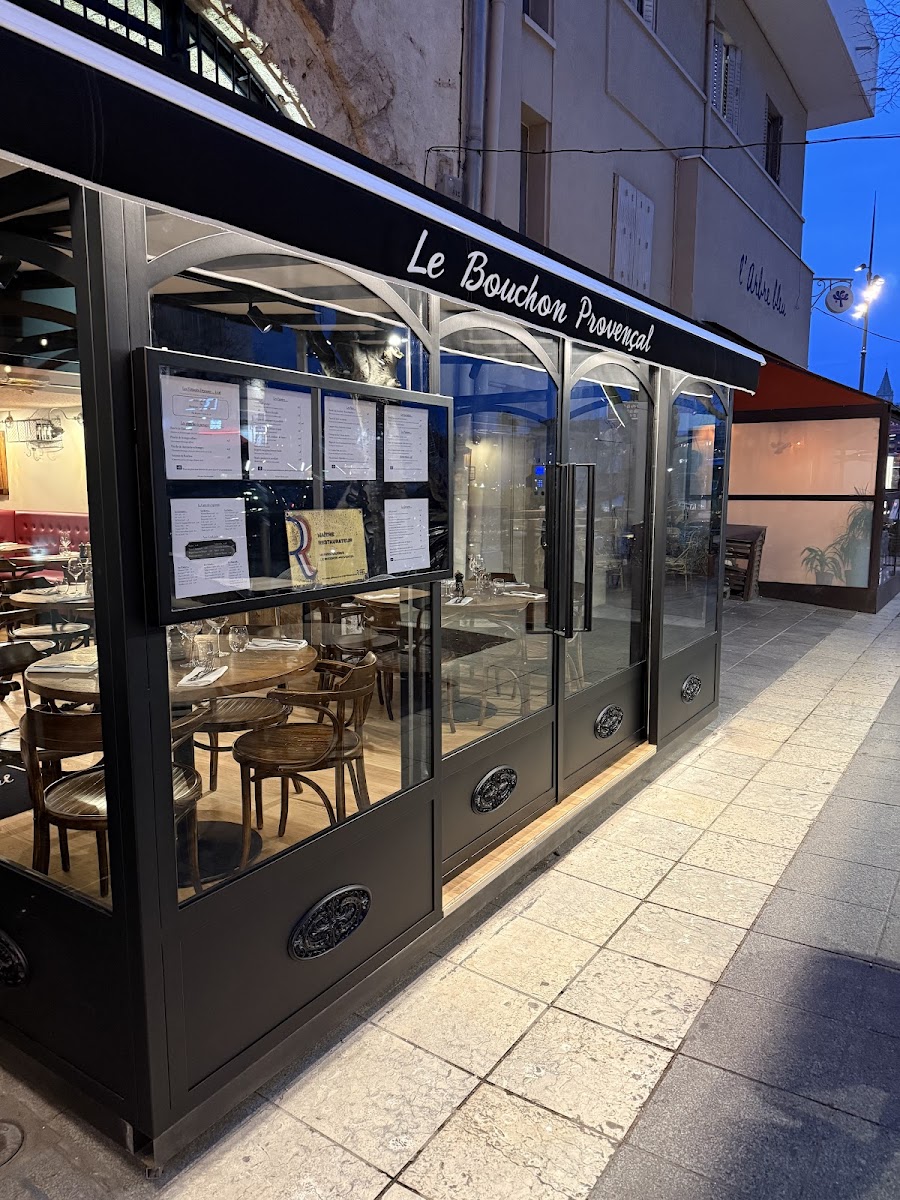
Walking into Le Bouchon Provençal feels like stepping into a Marseille neighborhood story that’s still being written every single day. I first ate here on a rainy weekday evening, the kind of night when you want comfort more than novelty, and this place delivered exactly that. Tucked away at 6 Pl. aux Huiles, 13001 Marseille, France, the restaurant sits right between the energy of the Old Port and the slower rhythm of local life, making it an easy stop whether you’re a visitor or someone who knows the city well.
The dining room is modest, warm, and lived-in. Wooden tables are set close enough to overhear conversations, which adds to the charm rather than detracts from it. When I visited, the owner personally explained the menu to a couple seated nearby, emphasizing traditional Provençal cooking and seasonal sourcing. That personal touch matters, especially in a city where restaurants come and go quickly. According to data from the Marseille Tourism Office, independent eateries that focus on regional identity tend to receive higher repeat visits than trend-driven spots, and this restaurant fits that pattern perfectly.
The menu leans heavily into southern French classics. Dishes like slow-braised lamb, beef daube cooked in red wine, and fish stews inspired by bouillabaisse traditions appear regularly, though the exact offerings change depending on the market. On my visit, the server described how the vegetables came from a small supplier outside Aix-en-Provence, a sourcing approach recommended by organizations such as Slow Food France for maintaining flavor integrity and sustainability. You can taste the difference when ingredients haven’t traveled far.
What stood out most was the process behind the cooking. The sauces are reduced slowly, sometimes for hours, and you can tell they’re not rushed. I spoke briefly with a cook during a quieter lunch service on a later visit, who explained that stocks are prepared early in the morning and reused across dishes to maintain consistency. That kind of methodical approach is common in classic French bistros but increasingly rare in tourist-heavy areas. Food researchers from institutions like INRAE have noted that traditional reduction techniques enhance both aroma and nutrient retention, which explains why even simple plates here feel deeply satisfying.
Reviews from locals often mention reliability, and that’s accurate. Over multiple visits, the experience stayed consistent, from portion sizes to seasoning. Online ratings frequently highlight homemade flavors and honest cooking, phrases that come up again and again for a reason. Still, it’s fair to say this isn’t a place for experimental cuisine or elaborate plating. If you’re looking for modern fusion or Instagram-style dishes, this might not hit the mark, and that’s worth acknowledging.
The wine list deserves its own moment. It focuses on Provençal and Rhône Valley bottles, many from small producers. During one dinner, the staff suggested a Bandol red that paired effortlessly with the lamb, explaining why its structure worked with the herbs used in the dish. That level of guidance reflects genuine knowledge rather than scripted upselling, which builds trust quickly.
Location-wise, being on Place aux Huiles means you’re surrounded by bars and cafés, but this restaurant feels slightly removed from the noise. It’s the kind of spot where conversations linger and meals stretch longer than planned. Service can slow down during peak hours, especially on weekends, so patience helps. That said, the relaxed pace matches the food philosophy, and rushing it would feel out of place.
Overall, the appeal lies in authenticity, consistency, and care. Nothing feels forced, and nothing feels generic. It’s a restaurant built on experience rather than trends, and that shows in every plate that reaches the table.
Good to know
Service options
✓ Outdoor seating ✓ Dine-in ✓ DeliveryHighlights
✓ Great cocktails ✓ Great coffee ✓ Great dessert ✓ Great wine listPopular for
✓ Lunch ✓ Dinner ✓ Solo diningAccessibility
✓ Wheelchair-accessible entrance ✓ Wheelchair-accessible seatingOfferings
✓ Alcohol ✓ Beer ✓ Cocktails ✓ Coffee ✓ Healthy options ✓ Late-night food ✓ Organic dishes ✓ Spirits ✓ WineDining options
✓ Breakfast ✓ Lunch ✓ Dinner ✓ Catering ✓ Dessert ✓ Seating ✓ Table serviceAmenities
✓ Bar on site ✓ ToiletAtmosphere
✓ Casual ✓ Cosy ✓ Romantic ✓ TrendyCrowd
✓ Groups ✓ TouristsPlanning
✓ Lunch reservations recommended ✓ Dinner reservations recommended ✓ Accepts reservationsPayments
✓ Credit cards ✓ Debit cards ✓ Meal coupons ✓ NFC mobile payments ✓ Pluxee ✓ Credit cardsChildren
✓ Good for kids ✓ High chairs ✓ Kids' menuParking
✓ Paid parking lot ✓ Paid street parking ✓ ParkingPhotos
1 / 4
Location
Reviews
- No ratings yet 2090 reviews
We had a truly wonderful dining experience here. I enjoyed the octopus carpaccio while my husband chose the lamb shank, and our son was delighted with the kids’ menu, which featured homemade chicken nuggets. For dessert, we tried the tiramisu with banana and the pistachio panna cotta — and honestly, it’s been a long time since I’ve had desserts that impressed me this much! The food was absolutely amazing, with generous portions and beautifully prepared dishes. The service was top-notch, attentive yet friendly, and it really added to the experience. This charming little restaurant in the heart of the old city has something magical about it at night — the atmosphere makes you want to linger. Highly recommended! Many restaurants could learn a thing or two from this place.
The diner was excellent. I've seen the beef steak in the reviews and fell in love. The food tasted wonderful, I had a nice potato side dish to my meat. The dishes also looked appealing as you can see in the pictures added. All prices were fair. The only thing that I could point out was that my medium looked like medium rare or rare. Five stars deserved.
Highly recommended, the food is delicious. Very tasty beef tartare and snails. the cordon bleu was a complete disappointment, and it became clear why there is no photo in Google recommendations. The waiter did not recommend anything, very mediocre service. but the food is worth it
We have just had a wonderful meal at La Bouchon Provençal. After doing a lot of research we booked a table, as the menu showed they served a wide variety of meals. On arrival we were warmly greeted and were offered an indoor or outdoor table. We chose an outdoor table. After ordering our meals our drinks were brought out with complimentary olives while we waited for our starter. We shared the chickpea fries with aioli dip. We’ve never had these before and they tasted wonderful. For our mains I had the beef cheek with gnocchi and my wife had the lamb shank. Both meals were so tasty. The portions were very large and neither of us could finish them, so we had no room for dessert. I highly recommend this restaurant to anybody visiting Marseille
Everything we ordered was exceptional, ESPECIALLY the carpaccio de poulpes! The ambience and service were also a huge plus, overall this dinner was a huge highlight of my time in France and I would 100% come back if I’m in this area again. Thank you!
Best French food we had! Love this meal so much I wish we could go back. Ordered the beef stew and thought that was incredible til I tasted my boyfriends duck with sweet potato, it was cooked to perfection and tasted amazing. Love the food here! Only thing is, if they’re busy it takes a bit to get a servers attention. If you’re in the area I recommend this place.
We had a wonderful dining experience here. I chose the octopus carpaccio while my husband enjoyed the lamb shank, and our son loved the kids’ menu with its homemade chicken nuggets. For dessert, we tried the banana tiramisu and the pistachio panna cotta — both outstanding, some of the best desserts I’ve had in a long time! The food was excellent, with generous portions and beautifully prepared dishes. Service was attentive, warm, and professional, which made the evening even more special. This charming little restaurant in the heart of the old city has a magical atmosphere at night that makes you want to stay longer. Highly recommended — many restaurants could take inspiration from this place.